
REVIEW · PHOTO TOURS IN ARMENIA
Urbex photo tour in Armenia
Armenia gets eerie and beautiful fast. This 7-day group photo trip mixes urbex locations with major Armenian sights, so you’re not stuck choosing between abandoned buildings and real monuments. You start in Yerevan, ride in an air-conditioned vehicle, and shoot on days paced for cameras and comfort.
What I like most is how all the heavy lifting is handled. You get a 3-star hotel and meals through the week, plus transportation and organized timing, which is a big deal when you’re bouncing between monasteries, fortresses, and photo stops. Another strong point is the guidance. Reviews highlight Central Tour Armenia and guide Nvard, praised for clear explanations, patience, and making logistics feel smooth.
One thing to consider: the best urbex locations are kept secret, so you do not get the exact addresses in advance. That protects the sites, but it also means you cannot plan street-level logistics on your own.
In This Review
- Key things to know before you go
- Urbex Armenia, with the history that gives your photos context
- How the tour flows from Yerevan (and why the 9:00 am start matters)
- Day 2: Khor Virap’s Mount Ararat view, Noravank’s gorge carvings, then a secret factory shoot
- Day 3: Selim Pass caravanserai, Sevanavank over the lake, and UNESCO Haghpat plus an overnight in the village
- Day 4 and 5: Sanahin UNESCO, the Mikoyan Brothers Museum, and Soviet-era photo subjects in Vanadzor
- Day 6: Amberd Fortress at 2,300 meters, Tegher Monastery, and the slow climb into cooler air
- Day 7: Garni Temple, Geghard cave churches, and the Symphony of Stones sound effect
- Price and value: what $2,301.32 covers, and what you’re buying besides sightseeing
- Urbex etiquette and practical photo habits for abandoned sites
- The biggest reasons to trust this tour: Nvard’s guiding style and organized photo timing
- Should you book this Armenia urbex photo tour?
- FAQ
- FAQ
- How long is the Armenia urbex photo tour?
- What is the meeting point and start time?
- Is pickup included?
- What is the maximum group size?
- What kind of hotel do I stay in?
- Are meals included?
- Does the tour include entrance fees?
- Are the urbex locations shared before the tour?
- Is a fish festival part of the experience?
- What is the cancellation policy?
Key things to know before you go
- Small group (up to 10 travelers): easier pace for photography and less crowding at stops
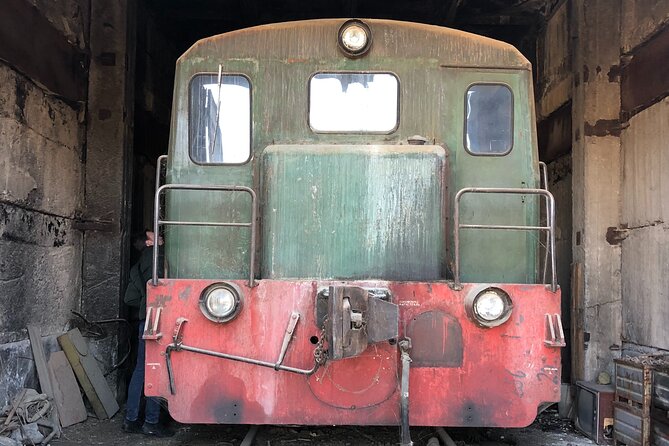
- Secret urbex locations: you’ll know what you need when you’re there, not before
- Real Armenian icons included: Khor Virap, Geghard, Garni, and UNESCO monasteries
- Photography time built in: multiple dedicated photo stops, including factories and Soviet-era sites
- Meals and 3-star hotel covered: you focus on shooting, not daily planning
- Fish festival chance: the tour mentions an opportunity to visit the annual fish festival (date-dependent)
Urbex Armenia, with the history that gives your photos context
This trip is for people who want abandoned places, but also want their camera work to sit next to Armenia’s actual stories. You’re not just hopping between ruin and ruin. You’ll also spend time at major religious sites and medieval monuments, including viewpoints tied to national symbols like Mount Ararat.
That mix matters. Urbex shots can look good in a vacuum, but they hit harder when you can place them in a wider cultural landscape. Here, you’re seeing how Armenia’s faith and architecture shaped towns, roads, and even how outsiders moved through the region across centuries of trade and conquest.
And because the tour is group-based, you’re not doing this solo. That sounds small until you realize how much energy it takes to coordinate transport, timing, and site access.
How the tour flows from Yerevan (and why the 9:00 am start matters)
The day starts early. Meeting is at Zvartnots International Airport, with a 9:00 am start, and pickup is offered. From there, the schedule is built around driving between stops and keeping each one photography-friendly.
The vehicle is air-conditioned, which you’ll really appreciate in warmer months and on long drives. You also get a mobile ticket, which cuts down on paper hassle and helps if you are juggling camera gear and small essentials.
A key pacing detail: some stops are short, around 30 to 45 minutes. That’s not a problem if you like a photo-and-walk rhythm. It can feel rushed if you want deep museum time, but the tradeoff is that you get multiple chances to shoot at different types of places.
Also, the group size capped at 10 is a practical win. At monasteries and fortresses, you can actually get a clean angle without waiting for a crowd to thin out.
Other shoots and photo walks going on
Day 2: Khor Virap’s Mount Ararat view, Noravank’s gorge carvings, then a secret factory shoot
Day 2 starts with a classic Armenia postcard scene: Khor Virap. The monastery is tied to the Armenian Church tradition of Saint Gregory the Illuminator, who was imprisoned in a pit for 13 years before curing King Tiridates III. Even if you don’t know the full story, you’ll feel the importance of the site the moment you stand there.
The reason Khor Virap belongs on a photo tour is the view. You’re in the Ararat plain, and the site is known for its strong sightline toward Mount Ararat, Armenia’s national symbol. That makes it a great first anchor stop on a trip that includes both sacred architecture and abandoned buildings.
Next up is Noravank Monastery, set in a narrow gorge of the Amaghu River. It’s a 13th-century complex, famous for intricate architectural details and carved exterior motifs. This is where you get a different kind of texture for your photos, more refined stonework than “found” decay.
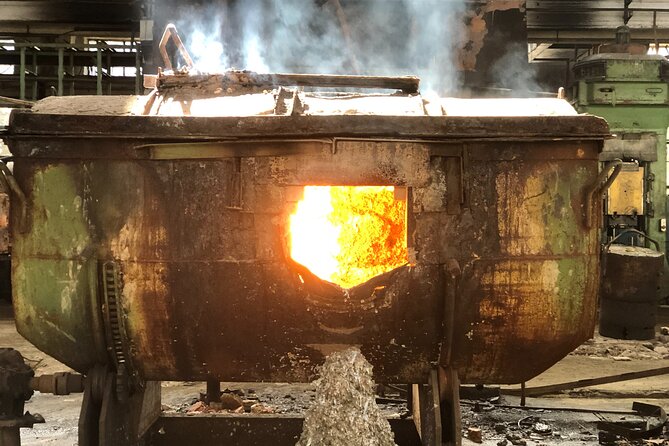
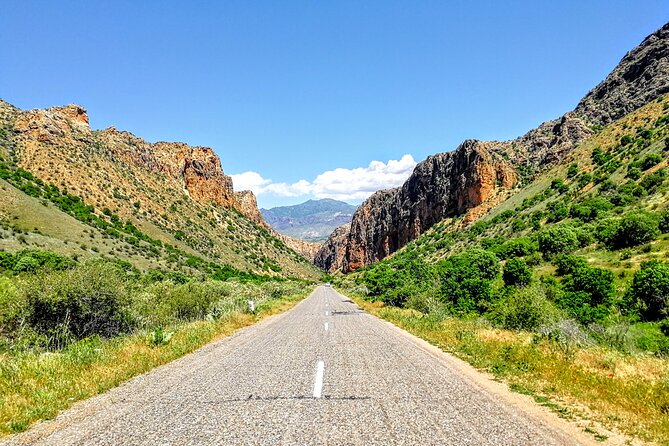
Then the day pivots toward your main goal: urbex photography in Vayots Dzor. The ride through rugged mountains and valleys sets the mood, and lunch is arranged in Yeghegnadzor at a gastro yard with wine tasting. After that, you go to an abandoned factory for photography.
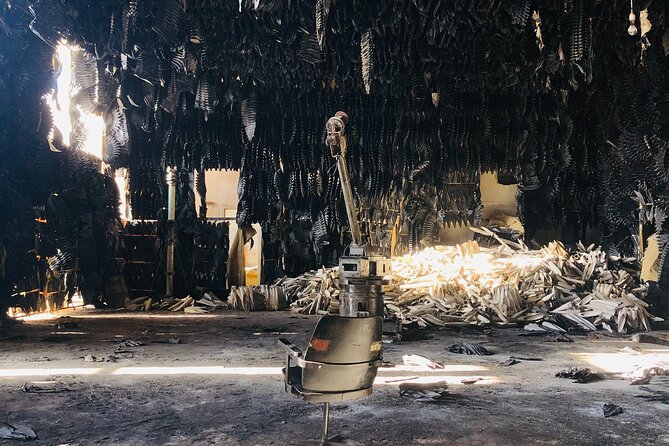
Important note: the exact urbex location is not specified in advance. The tour keeps these spots secret to protect them, so you’re going in with a plan, then adapting on the ground.
Day 3: Selim Pass caravanserai, Sevanavank over the lake, and UNESCO Haghpat plus an overnight in the village
Day 3 has a nice “road history” start with Vardenyats Pass, also known as Selim Pass. Nearby is the Orbelian Caravanserai, built in the 14th century on the Silk Road. What makes it photogenic is its medieval layout: a large courtyard surrounded by smaller rooms for travelers and their animals, plus a chapel and a well.
This stop is short, around 30 minutes, but it works well for two reasons. First, it gives you a human scale of travel and commerce. Second, it adds a linear, framed look to your photo set, unlike the more dramatic angles at church complexes.
Then you head to Sevanavank Monastery on the northwestern shore of Lake Sevan. It’s a medieval complex from the 9th century with two churches, a courtyard, and khachkars. The big draw is the location above the lake, and the way the monastery sits against a high-altitude water setting.
After that, there’s another urbex photography stop before you drive onward to Haghpat. This is a UNESCO World Heritage Site, recognized in 1996 for cultural and historical significance and architecture. Haghpat’s main church, St. Nishan, is known for intricate carvings and frescoes, and the complex also includes a bell tower, library, and multiple chapels.
You stay overnight and have dinner in the village. That’s a smart move for photographers because it reduces daily driving fatigue. It also lets you experience the area like a resident might, not just a quick pass-through.
Day 4 and 5: Sanahin UNESCO, the Mikoyan Brothers Museum, and Soviet-era photo subjects in Vanadzor
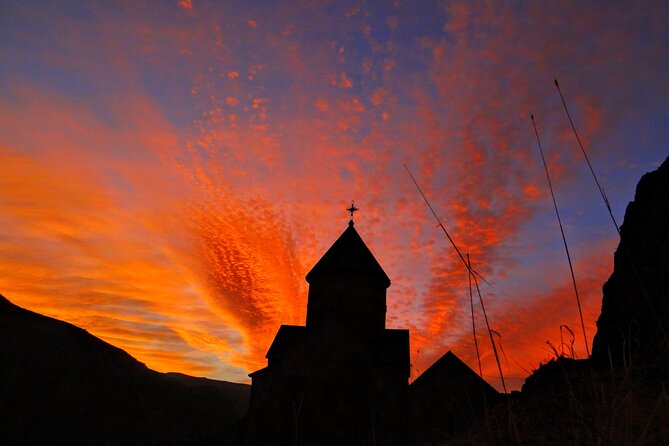
Day 4 begins at Sanahin Monastery, also a UNESCO site. It was founded in the 10th century and became a key center for learning and culture. The complex’s structures are built with local tuff stone, which means you get a consistent material palette and a strong sense of age when you shoot close-ups and wide shots.
You’ll see multiple churches and the gavit, which functioned as a meeting hall and vestibule. If you like architectural photos, this is a good day for lines, arches, and carving patterns.
Then comes something different: the Mikoyan Brothers Museum. It focuses on Anastas Mikoyan and Artem Mikoyan, both associated with the region. You’ll find personal belongings, photographs, and documents, along with exhibits tied to Soviet politics and aviation. Anastas Mikoyan was an ally of Joseph Stalin and Nikita Khrushchev, while Artem Mikoyan became a renowned aircraft designer.
This museum stop adds variety to your portfolio. You go from medieval stone to Soviet-era artifacts and personal history, which helps your final photo story feel less like random stops and more like a theme: Armenia across time.
Day 5 shifts to Vanadzor, the third-largest city in Armenia, set by the Pambak River and surrounded by the Lesser Caucasus Mountains. It’s a cultural and economic hub, and it’s also a place where Soviet heritage photographers often find strong subjects.
You get time to explore parks and museums, including the Vanadzor Botanical Garden, the Vanadzor Fine Arts Museum, and the Museum of Lori. Then you return to photography mode with Soviet pioneer camp subjects. These were children’s summer camps in the former USSR, designed to promote socialist ideology and physical fitness, with sports, arts and crafts, and educational programs.
That matters for urbex shooting because it can change the mood of your images. Pioneer camps often feel playful from a distance, but the textures and forgotten spaces can turn quietly haunting up close.
Day 6: Amberd Fortress at 2,300 meters, Tegher Monastery, and the slow climb into cooler air
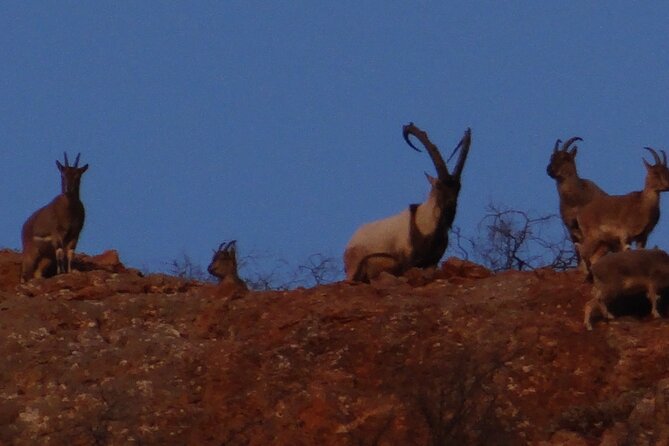
Day 6 is the “high viewpoint” day. First stop is Amberd Fortress, located in Aragatsotn Province at about 2,300 meters above sea level. The fortress dates to the 7th century and was built by Vahan Mamikonian, with later expansions. It served as a strategic military stronghold during Arab invasions, and also in later periods like Seljuk and Mongol incursions.
There’s also a church within the fortress complex, built in the 11th century. What you’ll likely remember most for photography is the way the fortress sits over the surrounding mountains, because altitude turns even ordinary stone details into crisp silhouettes.
Next you go to Tegher Monastery, a 13th-century hilltop site. Even when parts are damaged, you can still find well-preserved structures, including churches, chapels, and khachkars. The monastery is described as having played a role as a center for education and culture.
This day can feel physically demanding, not because it’s extreme, but because of altitude and walking on uneven ground. If you are carrying a lot of camera gear, plan on taking breaks and not overpacking your daypack.
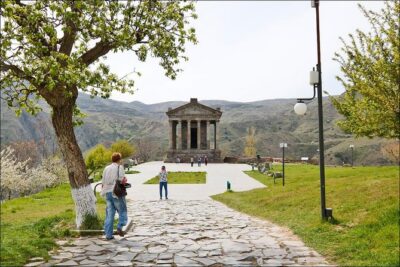
Day 7: Garni Temple, Geghard cave churches, and the Symphony of Stones sound effect
Day 7 closes strong with Armenia’s pre-Christian-to-Christian transition, plus some serious photo drama.
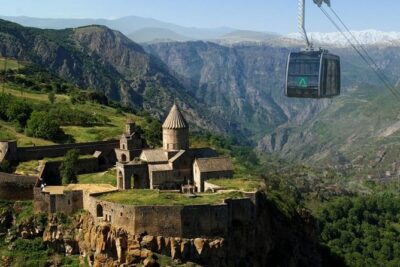
You start at Garni Temple, a pagan temple tied to pre-Christian Armenia. It was later converted into a royal summer house. Garni is often the kind of site where you want both wide shots and detail shots, because the stonework and surrounding rock formations offer frames within frames.
Then you visit the Symphony of the Stones in the Garni gorge. This is where basalt columns create a musical sound when struck. Even if you don’t go looking for a literal sound recording, it’s an unusual feature that makes your photos more memorable than another “pretty view.”
Finally, you head to Geghard Monastery Complex, a UNESCO-listed site famous for its cave churches. Some churches are situated in caves, while others are dug into the surrounding rock face. Geghard is one of those places where light and shadows matter. In short photo sessions, you can still get strong results if you shoot a mix of angles: front, side, and upward toward rock cutouts.
After these stops, you transfer back to Yerevan.
Price and value: what $2,301.32 covers, and what you’re buying besides sightseeing
Let’s talk value in plain terms. At $2,301.32 per person, you’re paying for a structured week with three big categories included:
- Hotel and meals: you get a 3-star hotel and meals through the week (breakfasts, lunches, and dinner counts listed as 6). Dinner for the first evening is not included, so you plan one standalone meal on arrival.
- Transport and logistics: air-conditioned vehicle plus organized timing across the whole circuit.
- Entrance fees and built-in planning: some stops include admission tickets, others are listed as free, and the schedule is arranged to keep you moving without you having to figure everything out.
For urbex photographers, this is where the price makes sense. The cost is not just for a bus and a few buildings. It’s for someone managing the daily flow so you spend your energy shooting, not hunting directions.
The small-group cap also adds value. With up to 10 travelers, you’re more likely to get decent shooting windows and less waiting for a crowd shuffle at key landmarks.
If your goal is to build a photo set that includes both abandoned structures and famous Armenian monuments, this price can feel fair because it replaces several separate trips into one planned route.
Urbex etiquette and practical photo habits for abandoned sites
The tour keeps urbex locations secret, and you’ll be guided through them as part of the program. Still, you will get the best results if you show up with a “leave-no-trace” mindset.
Here are practical habits that help in real, abandoned places:
- Wear sturdy shoes. Floors can be uneven, and you might be stepping over debris.
- Pack light but don’t underpack. A small flashlight, extra battery, and a lens cloth can save you at the worst moment.
- Ask the guide before entering any tight area. You’re there to photograph, not to improvise risk.
- Avoid touching surfaces more than necessary. If you want texture, shoot it, don’t wipe it down for a cleaner look.
- Use window frames and doorways as natural borders. Even without moving deeper into structures, you can create strong compositions.
And if you’re focused on photography, a simple trick is to shoot a “set” at each location: one wide frame for context, one mid shot for structure, and a close shot for surfaces like peeling paint, cracked concrete, or rusted metal.
The biggest reasons to trust this tour: Nvard’s guiding style and organized photo timing
From the reviews, the strongest repeated themes are about people and process, not just places.
Guide Nvard from Central Tour Armenia is praised for extensive knowledge and patient, friendly guidance. That kind of attitude matters on a photo tour because you’re usually asking for angle changes, waiting for light, and dealing with gear issues. If the guide is calm and organized, the day feels easier and the photos improve.
Organization is another big praise point. Reviews mention no trouble too much, and a tour that is supervised professionally. That shows up in the schedule choices: multiple photo stops, time to shoot at each place, and a mix that prevents your day from turning into one long sprint.
Finally, the urbex variety is repeatedly called out. People highlight sanatoriums, hospitals, factories, and other abandoned structures across different settings. That variety is important if you want a coherent portfolio, not just one type of ruin over and over.
Should you book this Armenia urbex photo tour?
Book it if you want:
- A guided week that combines urbex shooting with major Armenian landmarks
- Meals and hotel handled, so you can focus on photography
- A small-group pace with the promise of a high-quality guide experience, including Nvard
Skip or think twice if:
- You need exact urbex addresses in advance. The tour keeps the locations secret to protect them.
- You get frustrated by shorter site windows, since some stops are 30 to 45 minutes.
If you’re a first-time Armenia visitor who also wants to shoot abandoned places, this is a practical way to do both in one run. You’ll leave with a photo mix that tells a story, sacred to Soviet, stone to decay, with transport and meals already taken care of.
FAQ
FAQ
How long is the Armenia urbex photo tour?
The tour is listed as about 7 days.
What is the meeting point and start time?
You meet at Zvartnots International Airport in Yerevan, with a start time of 9:00 am.
Is pickup included?
Pickup is offered.
What is the maximum group size?
The tour has a maximum of 10 travelers.
What kind of hotel do I stay in?
Accommodation is in a three-star hotel.
Are meals included?
Yes. Meals are included as per the itinerary, with breakfast, lunch, and 6 dinners. Dinner for the first evening is not included.
Does the tour include entrance fees?
Many stops list admission tickets as included, while others are marked free. Entrance costs depend on the specific stop.
Are the urbex locations shared before the tour?
No. The exact location of the urbex site is not specified in advance because the tour follows urbex principles of keeping locations secret.
Is a fish festival part of the experience?
The overview says there is an opportunity to visit the annual fish festival, depending on timing.
What is the cancellation policy?
The experience is non-refundable and cannot be changed for any reason. If the minimum traveler number is not met, you’ll be offered a different date or experience, or a full refund.
More Armenia Bookings Worth Reading
- Group Tour: Garni, Symphony of Stones, Geghard, Lavash Baking
★ 5.0 · 1,042 reviews - Group Tour: Lake Sevan (Sevanavank), Dilijan (Goshavank, Haghartsin)
★ 5.0 · 1,036 reviews - Group tour: Khor Virap, Noravank, Areni Winery and Cave
★ 5.0 · 651 reviews - Group Tour: Tsaghkadzor (Kecharis, Ropeway), Lake Sevan, Trout barbecue treat
★ 5.0 · 511 reviews
Everything Else We Have Written Up in Armenia
- Group Tour: Garni, Symphony of Stones, Geghard, Lavash Baking
★ 5.0 · 1,042 reviews - Group Tour: Lake Sevan (Sevanavank), Dilijan (Goshavank, Haghartsin)
★ 5.0 · 1,036 reviews - Group tour: Khor Virap, Noravank, Areni Winery and Cave
★ 5.0 · 651 reviews - Yerevan: Garni, Geghard, Symphony of Stones & Lavash Baking
★ 5.0 · 589 reviews
More Frames From the Trip
- Yerevan city tour with drinks in a classic car with photography
★ 5.0 · 41 reviews - Retro KGB Tour: A Volga 21 Adventure in Yerevan’s Soviet Past with photography
★ 5.0 · 29 reviews - Photo tour in Yerevan
★ 5.0 · 6 reviews - Photoshoot in Armenian garments
★ 5.0 · 4 reviews
Just Reviewed: More From Around Armenia
- Limitless Off-Road Private Tours in Armenia★ 5.0 · 3 reviews
- Garni, Geghard, Lake Sevan, Sevanavank Monastery – private tour from Yerevan★ 5.0 · 3 reviews
- Tsitsernakaber-Hripsime-Echmiatsin-Noy brandy factory★ 4.5 · 3 reviews
- Day Trip to Tatev Monastery★ 4.5 · 3 reviews
Photo Tours in Armenia, compared.
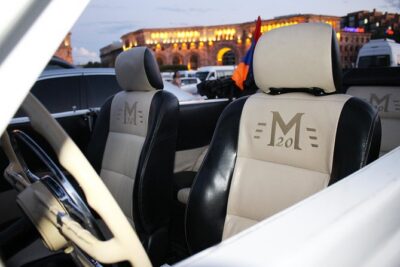 ★ 5.0Yerevan city tour with drinks in a classic car with photographyFrom $4341 reviews
 ★ 5.0Retro KGB Tour: A Volga 21 Adventure in Yerevan’s Soviet Past with photographyFrom $5629 reviews
 ★ 5.0Photo tour in YerevanFrom $776 reviews
 ★ 5.0Photoshoot in Armenian garmentsFrom $974 reviews
 ★ 4.5Photography tour in Yerevan (Yerevan city tour)From $293 reviews
Browse the lists this tour appears in