
REVIEW · ARENI & NORAVANK WINE TOURS
Vayots Dzor Areni Wine Route
Armenia’s wine story starts underground, and that is what makes this half-day-plus trip feel different. You leave Yerevan in a private vehicle, then move through Vayots Dzor with a guide who keeps the day organized and conversational.
I especially like the mix of stops: the Areni Cave wine-press evidence, then two separate winery tastings, plus Noravank Monastery for a visual break. One more thing I like is the personalized flow of a private tour, so the guide can pace it for your group instead of herding everyone at once.
The one possible drawback to keep in mind is reliability. There has been at least one reported case of a no-show, so I’d make it a habit to confirm your pickup the morning of your tour.
In This Review
- Key highlights that matter before you go
- Leaving Yerevan at 10:00, then settling into a relaxed pace
- T’rchuneri (Bird) Cave and Areni Cave evidence: the underground wine story
- Momik Wines: one hour of vineyard-to-glass context
- Noravank Monastery: 13th-century stone and sharp red gorge walls
- Old Bridge Winery: your second tasting and a chance to compare
- Price and value: what $192 buys you on a real day out
- Comfort, pacing, and the pickup you should double-check
- Who this tour is best for (and who might skip it)
- Should you book the Vayots Dzor Areni Wine Route?
- FAQ
- How long is the Vayots Dzor Areni Wine Route?
- What time does the tour start?
- Is pickup included?
- What stops are included on the route?
- Are entrance fees included?
- Is this a private tour?
- Can I cancel for a full refund?
Key highlights that matter before you go
- Areni Cave winemaking proof tied to about 6,000 years ago, not just wine folklore
- Two winery tastings at Momik Wines and Old Bridge Winery, so you can compare styles
- Noravank Monastery above the Amaghu River gorge, built in the 13th century
- Private vehicle pickup and only your group, which usually means less waiting around
- Admission tickets included for most wine stops, making your day simpler to plan
Leaving Yerevan at 10:00, then settling into a relaxed pace
This tour starts at 10:00 am and runs about 6 to 8 hours. You’re not rushing through a checklist. Instead, you travel comfortably by private vehicle from Yerevan to Vayots Dzor, then spend focused time at each stop with your guide.
That pacing matters. In Armenia, the distances can add up, and wine days work best when you do not feel like you are sprinting between locations. Here, the day is built around a logical route: underground history, vineyard and cellar time, monastery views, then a second winery tasting.
Also, you get a mobile ticket. That sounds small, but it cuts down on fumbling with paper during a day trip.
T’rchuneri (Bird) Cave and Areni Cave evidence: the underground wine story
Your first stop is T’rchuneri (Bird) Cave, connected to the famous Areni Cave discoveries in the same region. For centuries, local people treated these caves as just caves. Then excavations began in 2007, and everything changed.
Here’s what makes the cave stop special: a wine press was found in one room, including a stone-like part where liquid drained into a jug. Scientists also identified traces of seeds, stems, and the compound responsible for red wine’s color. Put together, the evidence led researchers to conclude the area was used as a winery about 6,000 years ago.
This is not the usual “ancient winemaking” vibe where someone tells you a general story. It is concrete. You’re looking at a place where researchers found physical clues connected to actual wine production.
Practical tips for the cave visit
- Wear shoes that handle uneven stone. Cave environments can be slick or uneven even when the surface looks dry.
- Plan for it to feel cooler than outside. Caves often do not match the temperature of the valley in summer or spring.
- Give yourself time to look slowly. The story makes more sense when you stop moving and actually track the evidence your guide points out.
Time-wise, you’ll spend about 30 minutes, with an admission ticket included.
Another cellar door in Vayots Dzor
- Group tour: Khor Virap, Noravank, Areni Winery and Cave
- Group Tour: Khor Virap, Noravank, Tatev monasteries (wayback on Ropeway)
- Khor Virap, Noravank & Birds’ Cave Day Trip with Wine Tasting
- Guided tour: Khor Virap, Noravank Monastery, Areni, Jermuk
- Group Tour: Hin Areni Winery, Tatev (wayback on Ropeway), Khndzoresk Caves
Momik Wines: one hour of vineyard-to-glass context
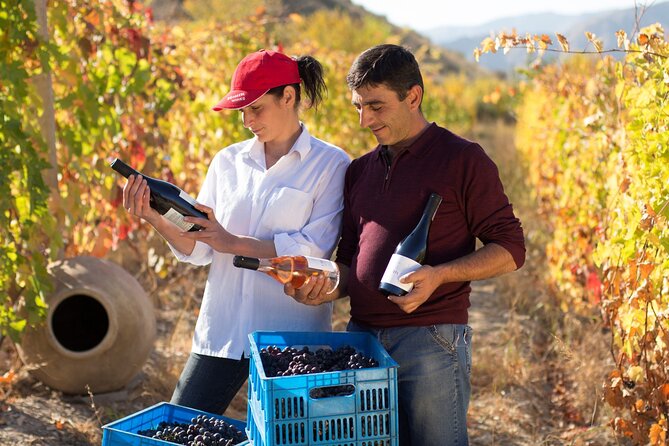
Next comes Momik Wines, where you get both a winery tour and a wine tasting. You’re there for about 1 hour, and the admission is included.
This stop is valuable because it translates the underground history into something you can taste today. Your guide’s job is to connect the dots: how winemaking traditions live on, and how modern production reflects older methods and local grape culture.
Why two tastings is better than just one
Many wine tours give you one winery and call it a day. This route gives you two. That matters because it helps you avoid the common problem of judging a whole region based on a single producer’s style. By tasting at Momik and later at Old Bridge, you can compare impressions more confidently.
What to expect during tasting
- The tasting is guided, so ask questions while you’re there. If you’re curious about what makes a wine red versus lighter styles, this is the moment.
- Pace yourself. A cave stop and a winery visit are both mentally active. Drink water alongside tastings if you can, and do not assume you will remember everything later.
Noravank Monastery: 13th-century stone and sharp red gorge walls
After wine, you shift gears at Noravank Monastery. The setting is one of the biggest reasons this stop deserves a place on a wine route.
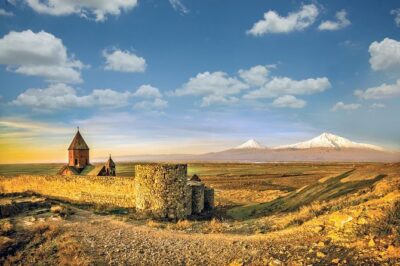
Noravank means New Monastery, but it is over seven centuries old. It was built in the 13th century on a ledge above the Amaghu River, near the town of Yeghegnadzor. The church lines are spare, and they contrast with the dramatic, sharp red rock cliffs around the gorge. If you like architecture that feels carved into the land instead of placed on it, this is where you’ll notice it.
There’s also a small naming detail that helps you orient yourself. You may hear it referred to as Amagu Noravank to distinguish it from another Noravank Monastery in Goris. Amagu was the name of a small settlement that used to stand over the gorge.
Time and cost
- Plan for about 45 minutes here.
- Admission is free.
A quick heads-up on the experience
This stop can be photogenic, but it is also a working archaeological and religious site. Take your time, look up and around, and avoid treating it like a quick photo pit stop.
If the weather is bright, you’ll get strong shadows across the gorge. On overcast days, the rocks can look more muted and the colors more even. Either way, Noravank is worth slowing down for.
Old Bridge Winery: your second tasting and a chance to compare
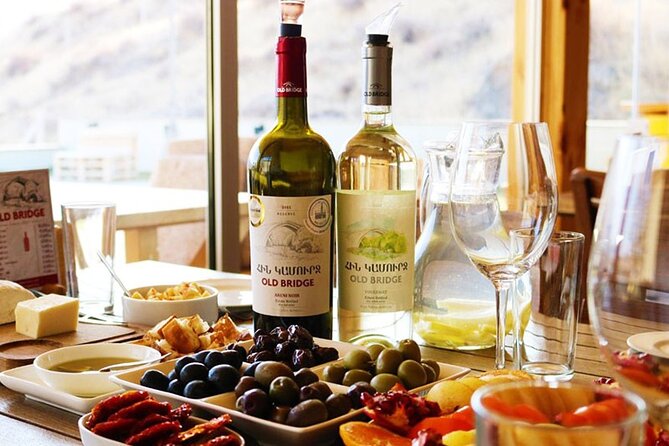
The day finishes with another winery stop: Old Bridge Winery, again with a tour and wine tasting. You’ll spend about 45 minutes, and admission is included.
This is the part of the tour where comparison really starts to pay off. By now, you know what kind of questions your guide can answer. You also have fresher memory of the earlier tasting, so you can describe differences in how wines feel on the palate, how they smell, and what kinds of flavors stand out.
If you enjoyed Momik Wines, this stop is your reward for staying curious. If you did not love that tasting style, you can still come away with something new because another producer’s approach can feel completely different.
Time management tip
A 45-minute winery stop can feel quick if you are chatty and tasting actively. If you want to bring home the best information, set yourself a simple goal: pick one question to ask during the tour portion, and focus on one or two key tasting notes instead of trying to remember everything.
Price and value: what $192 buys you on a real day out
The price is $192.00 per person for a tour that runs about 6 to 8 hours. On a pure math level, that can look steep for a day trip. But value in wine country comes down to what you get without having to coordinate it yourself.
Here’s what you are paying for, in practical terms:
- Private vehicle travel from Yerevan, which saves you from piecing together transport and timing
- A private guide experience where you can ask questions and not just follow a group
- Multiple structured stops that are not all the same kind of activity
- Tickets included for most paid entries, including the cave and both winery experiences
So the question is not just cost. It’s whether the structure removes stress and adds context. This itinerary does that by mixing evidence-based history (the cave), guided wine time (two tastings), and dramatic scenery (Noravank).
If you’re the type who likes to learn while you taste, this is strong value. If you want a purely self-guided winerouting day where you can linger as long as you want, you might find the time windows a bit tight. The tour does move efficiently.
More Armenian bottles to open
Comfort, pacing, and the pickup you should double-check
This is set up as a private tour/activity, meaning only your group participates. Pickup is offered, and the tour uses a private vehicle, which usually means fewer interruptions and less waiting.
Still, a private tour also depends on the operator showing up on time. One reported issue is that the tour operator did not show up as scheduled. I cannot fix that for you, but I can help you reduce the odds of a bad start.
Do this the morning of your tour:
- Confirm your pickup time and location.
- Have a backup plan for contacting the provider quickly.
- Keep your phone charged and ready for any day-of changes.
It sounds obvious, but it matters most on tours that start at 10:00 am. Early mornings are when things go wrong fastest.
Who this tour is best for (and who might skip it)
This experience fits best if you want:
- A wine day with structure, not a chaotic hop between places
- Guided tastings at two wineries, so you can compare and learn
- A history stop that is tied to actual archaeological findings
- A monastery visit that breaks up the day and gives you a view worth walking around for
You might consider a different option if:
- You hate guided schedules and want to linger at fewer places
- You are only interested in one winery tasting and would rather spend more time in vineyards or restaurants on your own
- You are very sensitive to day-of changes, since a confirmed pickup is crucial for a tour like this
Should you book the Vayots Dzor Areni Wine Route?
I think this is a good booking choice if you like the idea of tasting wine with context. The cave stop gives you something grounded and memorable, and the two winery visits let you compare styles instead of making a single producer your whole opinion of the region. Add Noravank’s dramatic gorge setting, and the day feels like more than just drinking.
Before you book, I’d do one extra piece of homework: confirm your pickup details the morning of your tour, because you do not want to lose a whole day trip to a avoidable communication failure.
If those boxes check out for you, this route is a smart way to see Vayots Dzor in a single day, with wine history, two tastings, and scenery that feels built into the rock.
FAQ
How long is the Vayots Dzor Areni Wine Route?
The tour runs about 6 to 8 hours.
What time does the tour start?
The start time is 10:00 am.
Is pickup included?
Yes, pickup is offered, and the tour includes travel in a private vehicle.
What stops are included on the route?
The tour includes T’rchuneri (Bird) Cave (Areni Cave area), Momik Wines, Noravank Monastery, and Old Bridge Winery.
Are entrance fees included?
Admission tickets are included for T’rchuneri (Bird) Cave, Momik Wines, and Old Bridge Winery. Noravank Monastery has free admission.
Is this a private tour?
Yes, it is a private tour/activity, and only your group participates.
Can I cancel for a full refund?
Yes. You can cancel up to 24 hours in advance for a full refund. If you cancel less than 24 hours before the start time, the amount paid is not refunded.
More Armenian Wine to Pour
- Group tour: Khor Virap, Noravank, Areni Winery and Cave
★ 5.0 · 651 reviews - Khor Virap, Noravank & Birds’ Cave Day Trip with Wine Tasting
★ 5.0 · 320 reviews - Tatev & Shaki Waterfall Guided Group Tour with Wine Tasting
★ 5.0 · 266 reviews - Group Tour: Lake Sevan, Hayravank, Noratus, Jermuk, winery
★ 5.0 · 256 reviews
Everything Else We Have Written Up in Armenia
- Group Tour: Garni, Symphony of Stones, Geghard, Lavash Baking
★ 5.0 · 1,042 reviews - Group Tour: Lake Sevan (Sevanavank), Dilijan (Goshavank, Haghartsin)
★ 5.0 · 1,036 reviews - Group tour: Khor Virap, Noravank, Areni Winery and Cave
★ 5.0 · 651 reviews - Yerevan: Garni, Geghard, Symphony of Stones & Lavash Baking
★ 5.0 · 589 reviews
Areni Cellars and the Noravank Gorge
- Group tour: Khor Virap, Noravank, Areni Winery and Cave
★ 5.0 · 651 reviews - Group Tour: Khor Virap, Noravank, Tatev monasteries (wayback on Ropeway)
★ 5.0 · 506 reviews - Khor Virap, Noravank & Birds’ Cave Day Trip with Wine Tasting
★ 5.0 · 320 reviews - Guided tour: Khor Virap, Noravank Monastery, Areni, Jermuk
★ 5.0 · 259 reviews
Just Reviewed: More From Around Armenia
- Limitless Off-Road Private Tours in Armenia★ 5.0 · 3 reviews
- Garni, Geghard, Lake Sevan, Sevanavank Monastery – private tour from Yerevan★ 5.0 · 3 reviews
- Tsitsernakaber-Hripsime-Echmiatsin-Noy brandy factory★ 4.5 · 3 reviews
- Day Trip to Tatev Monastery★ 4.5 · 3 reviews
Areni & Noravank Wine Tours, compared.
 ★ 5.0Khor Virap, Noravank, Areni Winery and CaveFrom $37651 reviews
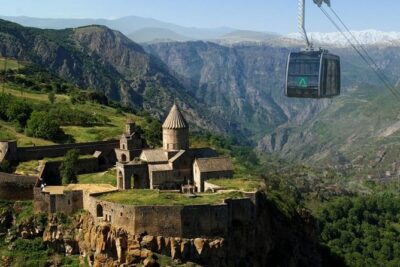 ★ 5.0Khor Virap, Noravank, Tatev monasteries (wayback on Ropeway)From $73506 reviews
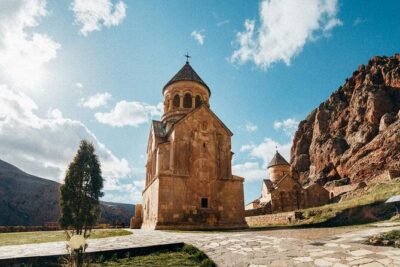 ★ 5.0Khor Virap, Noravank & Birds’ Cave Day Trip with Wine TastingFrom $30320 reviews
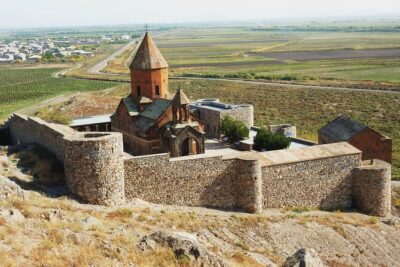 ★ 5.0Khor Virap, Noravank Monastery, Areni, JermukFrom $35259 reviews
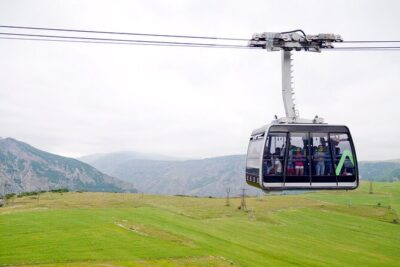 ★ 5.0Hin Areni Winery, Tatev (wayback on Ropeway), Khndzoresk CavesFrom $73192 reviews
 ★ 5.0Shaki waterfall, Tatev monastery & ropeway, Hin Areni wineryFrom $73185 reviews
 ★ 5.0Private tour to Hin Areni winery, Tatev monastery & ropeway, Khndzoresk cavesFrom $30058 reviews
 ★ 5.0Private tour to Hin Areni winery, Shaki waterfall, Tatev monastery, KarahunjFrom $29931 reviews
Browse the lists this tour appears in