
REVIEW · ARAGATS & AMBERD DAY TRIPS
Group Tour: Hovhannavank, Saghmosavank, Chocolate House, Aghtsk
Monasteries and chocolate, together in Armenia. This Hovhannavank, Saghmosavank, Chocolate House, and Aghdzk run is a fast, scenic intro to the Armenian Apostolic world, with stops that explain what you are actually looking at, not just where it is. All entrance fees are included, so you do not spend your time figuring out ticket lines.
I also like how the tour is built around people and comfort. You get snacks and bottled water, plus an air-conditioned vehicle with WiFi, which matters when you are out moving between churches and viewpoints for about 5 to 6 hours.
One possible drawback: this is a bilingual tour (English and Russian). If you want maximum time for quiet looking, the group pacing can feel a bit tight when the guide repeats information for two language groups.
In This Review
- Key things to know before you go
- Hovhannavank, Saghmosavank, Chocolate, and Aghdzk: what kind of day is this?
- Meeting at Hyur Service in Yerevan: smooth start, real-world timing
- Hovhannavank monastery: John the Baptist, 5th-century basilica, and an artistic portal
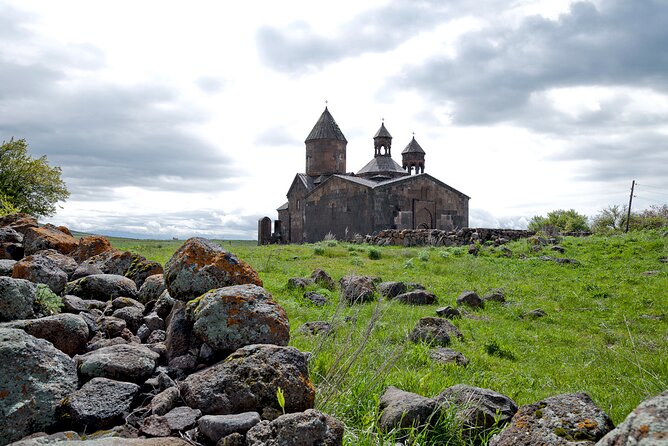
- Saghmosavank near the Kasakh canyon: manuscripts, a 1988 quake, and a rebuild finished in 2000
- Karmravor Church in Ashtarak: a small, intact 7th-century jewel
- Gourmet Dourme Mini Chocolate Museum: watch production, then taste
- Aghdzk mausoleum in Aghtsk: Arshakid kings, mixed symbols, and Daniel in a lion den
- Transport, guide style, and the bilingual pacing you should expect
- Price and value: why $29 feels fair here
- Who this tour is best for, and who should rethink it
- Should you book this tour?
- FAQ
- How long is the tour and when does it start?
- Where do we meet, and is there hotel pickup?
- What is included in the price?
- Is lunch included?
- Is the tour offered in English?
- What should I know about cancellations and weather?
Key things to know before you go
- Entrance fees, snacks, and water are included, so the $29 price feels more complete than it sounds at first.
- A professional guide works in English and Russian consecutively, and you will get explanations tied to real details like builders, earthquakes, and symbols.
- Small-group size, up to 18 people, helps the day feel controlled, not chaotic.
- Chocolate is not an afterthought, you get a guided production look and tasting, not just a quick shop browse.
- Expect a mix of big monastery stories and short architectural wow-factors, including a tiny 7th-century church and a decorated mausoleum hall.
Hovhannavank, Saghmosavank, Chocolate, and Aghdzk: what kind of day is this?
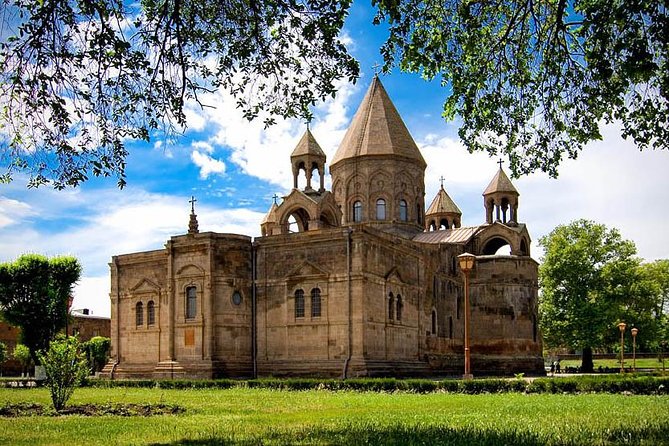
This is a classic Armenian day trip style: start in Yerevan, drive out into the Ashtarak area, then hit several heritage sites in a row. You are not touring one place for a long time. Instead, you are getting a sequence of “look here, notice this” moments.
The best part is how the stops connect. You start with a monastery linked to John the Baptist, move to a monastery tied to manuscripts and a 1988 earthquake rebuild, then swing to a very small church in Ashtarak, and finally end at Aghdzk in Aghtsk, where pagan and Christian symbolism share the same walls. Throw in chocolate tasting, and the day feels like a story rather than a checklist.
Because the timing is tight, I recommend going in with a light plan for photos. Pick a few key features at each stop, not ten. You will feel less rushed and you will notice more.
Meeting at Hyur Service in Yerevan: smooth start, real-world timing
You meet at Hyur Service, 96 Nalbandyan poxoc, Yerevan 0010, with the tour starting at 10:00 am. The day runs about 5 to 6 hours, and it ends back at the same meeting point.
Logistics are mostly simple. This tour uses air-conditioned vehicles, and you also get WiFi in the vehicle, plus bottled water and pastries. Those small perks help when you are transitioning between sites quickly, especially if the weather is warmer or cooler than you expected.
The group is capped at 18 travelers, which is a big deal for day trips like this. Smaller groups mean fewer delays at entrances and a better chance that the guide can keep everyone together without constantly herding.
One practical thing: you do not know your seats in advance. If you are sensitive to motion sickness, sit where you feel best during the ride, and mention it when the group boards.
Higher up, towards Amberd and Aragats
- Group Tour: Amberd, Aragats, Lake Kari, Saghmosavank, Alphabet
- PRIVATE TOUR: Saghmosavank , Alphabet monument, Amberd fortress
- Amberd (Saghmosavank,Armenian alphbet monument)
- Mount Aragats,Amberd Fortress,Alphabet Monument, Saghmosavank
- Mount Aragats, Amberd Fortress, Saghmosavank Monastery, Alphabet – private tour
Hovhannavank monastery: John the Baptist, 5th-century basilica, and an artistic portal
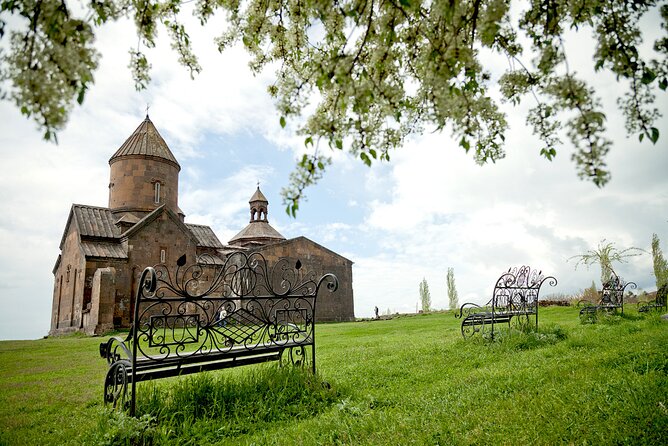
Hovhannavank is your first “big meaning, real details” stop. The monastery bears the name of John the Baptist, and it is the kind of place where the centuries show up in the stonework.
You have about 40 minutes here. The oldest church on site is a one-naved basilica built in the 5th century. Then in the 13th century, additional buildings were added under the patronage of the Vachutian dukes.
When you arrive, do not rush to just take a wide shot. Spend a few minutes on the main church portal. The portal is embellished with evangelical motifs, and that is one of those details that makes the architecture feel less like a relic and more like a message.
A helpful way to enjoy this stop: treat it like a mini reading lesson. Ask yourself, what is the building trying to communicate? John the Baptist is the headline, but the portal art is the supporting chapter.
Saghmosavank near the Kasakh canyon: manuscripts, a 1988 quake, and a rebuild finished in 2000
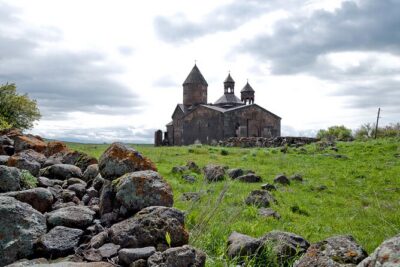
Next up is Saghmosavank, about 5 kilometers from Hovhannavank. The setting is part of the story: it sits on the edge of the Kasakh river canyon, which makes the monastery feel dramatic even when you are not looking for scenic viewpoints.
You get 40 minutes here. The monastery was built in the 13th century under the Vachutian dukes, and one of the most interesting parts is the connection to a scriptorium, where many manuscripts were produced over the centuries.
Then there is the more modern chapter. Saghmosavank was badly affected by the 1988 earthquake. The good news is that the reconstruction was completed in 2000, returning the church to something close to its former presence. If you like architecture that shows how history breaks and gets repaired, this stop rewards your attention.
What to focus on during your time:
- the relationship between the church and the scriptorium space
- the way restoration has shaped what you see today
- the canyon edge views, but only after you have checked the stone details
Because it is a bilingual tour format, you may want to slow down right after the guide finishes explaining one language version. That is often when you can take in details without feeling like you missed a cue.
Karmravor Church in Ashtarak: a small, intact 7th-century jewel
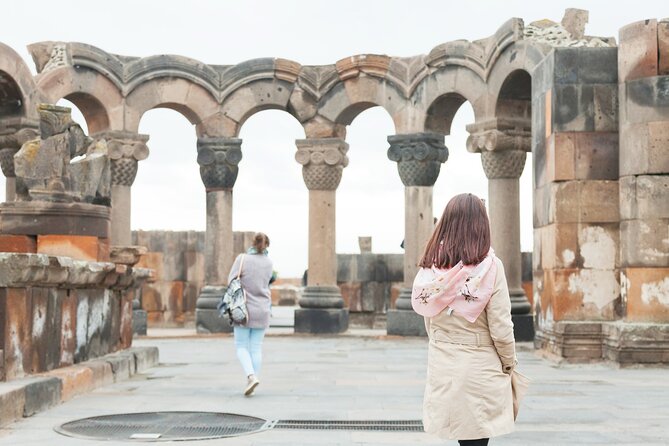
After the two main monasteries, you get a shorter, punchier stop at Karmravor Church. You will have about 15 minutes.
This is the kind of church that surprises you because it is compact but carefully designed. It is considered the jewel of Ashtarak and is said to resemble a monolith pillar due to its small size and architectural solutions. It was built in the 7th century, and it has come down to us almost intact.
One detail worth hunting for is the plan. The church has a cross-shaped ground plan, both inside and outside. Even if you only have a brief look, that cross shape is one of the features that makes Karmravor feel intentional rather than accidental.
If you are traveling with anyone who likes quick wins, this is a strong stop. You get an easy target, a clear architectural idea, and enough time to appreciate it without feeling like you are racing the clock.
Gourmet Dourme Mini Chocolate Museum: watch production, then taste
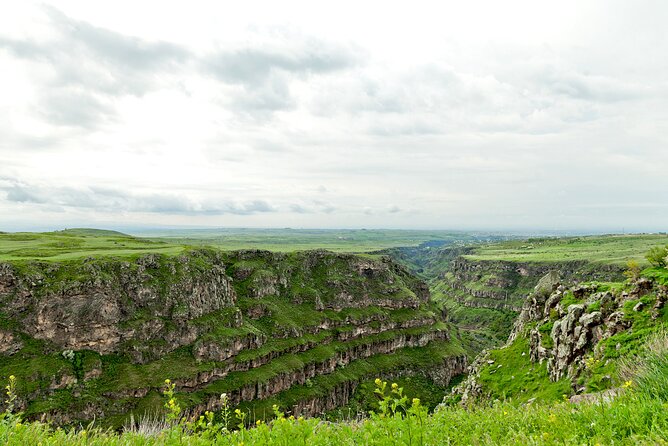
Then comes the most fun pivot in the day: a chocolate museum stop in Ashtarak’s orbit. This visit lasts about 35 minutes, and the admission is included.
At Gourmet Dourme, you get the process and the payoff. You can observe chocolate production from behind a transparent window, then you get a chocolate tasting. The visit also includes an audio version of the history of chocolate and the stages of making it.
This brand matters in Armenia. Gourmet Dourme was founded in 2007 by Pierre and Diran Bagdadians, brothers with backgrounds in France and Austria. The name is built from Armenian and French roots: gourmet for epicure and dourme for chocolate.
Why this stop feels like more than a gimmick: it is not just tasting sweets while moving on. You get a structured look at how something ordinary becomes a treat, and it gives you a break from stone and symbolism. It also works for all ages, since you are not required to stay focused on architecture the whole time.
Tip for the tasting: pace yourself. If you have a strong sweet tooth, you might be tempted to go back for more. In a short stop, that can eat into tasting time, so try one, then decide.
More tables, more lavash out of the tonir
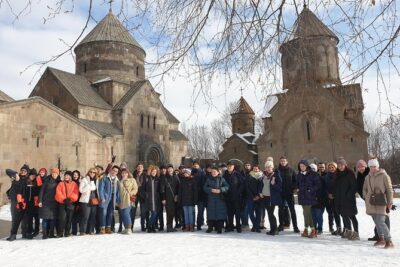
Aghdzk mausoleum in Aghtsk: Arshakid kings, mixed symbols, and Daniel in a lion den
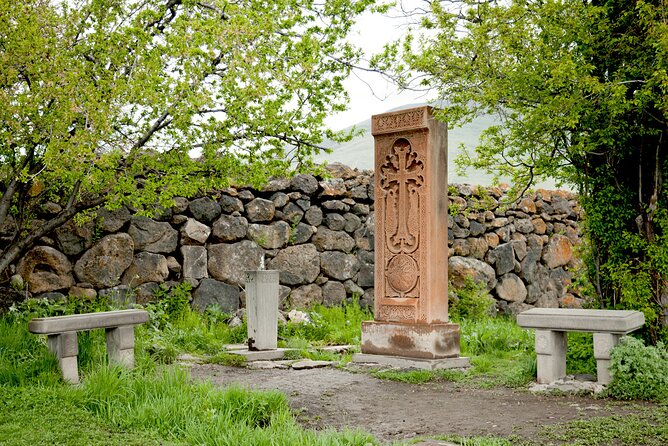
The final heritage stop is Aghdzk, in the village of Aghtsk. This is about 30 minutes, and it centers on the Arshakid kings’ mausoleum.
The key detail is that the hall is described as holding the remains of both pagan and Christian kings. That alone sets the tone, because the building does not treat symbolism as one-note.
Aghdzk is a small rectangular hall with decorative thematic elements. On the northern wall, you get a relief of Daniel in a lion den. Beyond that, the ornaments and symbolic carvings reflect both pre-Christian ideas and Christian art.
Right next to the mausoleum, there are also ruins of a 4th-century church. Even if your time is limited, it helps to step back for a moment and notice how many layers of belief occupy one small area.
If you like sites where art and faith overlap, this is the stop that tends to stick in your memory because it feels like a visual argument made in stone.
Transport, guide style, and the bilingual pacing you should expect
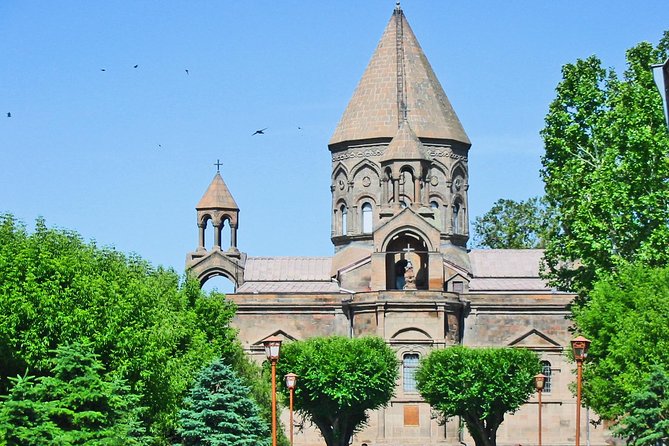
This tour includes a professional guide who works ENG + RUS consecutively. You may also encounter a multi-lingual guide, depending on operation.
I like this format because it keeps things moving and you still get full context. But it can create a specific rhythm: the guide explains, then repeats or adjusts the explanation for the other language group. The result is that the group can spend more time waiting than you would on a fully single-language tour.
Here is how I’d handle it if you care about time on-site:
- when the guide starts explaining a stop, listen for the key “what to look for” detail
- after the explanation, take 3 to 5 minutes to explore on your own
- if you prefer quiet looking, prioritize your favorite stop (for many people it is Saghmosavank or Aghdzk) and let the shorter stops be quick hits
If your English is strong and you want depth, this is still a good choice. You just have to accept that the day’s tempo is designed for group balance.
Price and value: why $29 feels fair here
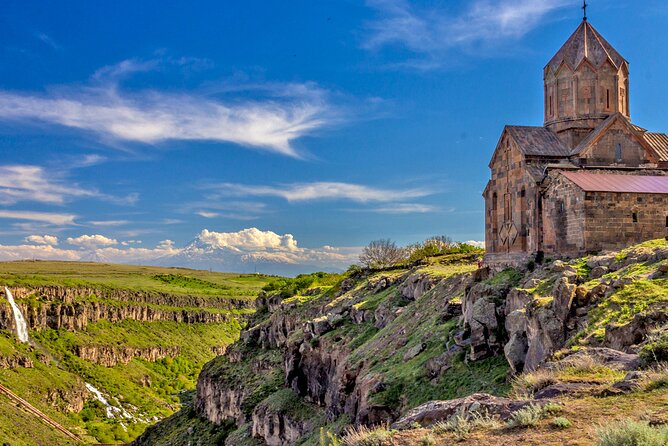
At $29 per person, this tour can be a solid value in Yerevan-based sightseeing. The big reason is that several costs usually hidden in other tours are already covered.
You get:
- all entrance tickets included
- bottled water and pastries
- air-conditioned vehicle
- WiFi in the vehicles
- vehicle and passengers insurance
- a professional guide (ENG and RUS)
- mobile ticket
What you do not get is just as important: there is no lunch stop, and there is no hotel pickup and drop-off. You meet at Hyur Service and you eat on your own.
So if you are the type of traveler who likes to avoid surprise expenses and wants a guide to translate the meaning of stonework, this price makes sense. If you plan to buy a full lunch during the day and you will otherwise drive yourself, it might feel tighter. Still, the included entrance fees are the part that makes or breaks the math.
Who this tour is best for, and who should rethink it
This day trip fits best if you want a strong first pass through Armenian Apostolic sites without planning. It is also ideal if you like guided explanations that connect architecture to people and events, like the Vachutian dukes, the manuscript scriptorium, and the earthquake rebuild timeline.
You should rethink it if you:
- hate any waiting around in a mixed bilingual group
- want long, slow museum-style time at just one location
- need hotel pickup, since you start at Hyur Service
If you like variety, this tour works because it alternates between monasteries, a church stop, and chocolate tasting. That rhythm keeps energy up and attention fresh.
Should you book this tour?
Yes, if you want an efficient, guide-led “greatest hits with meaning” day. The combination of entrance fees included, snacks and water, and a guide who explains specific features like portal motifs, cross-shaped plans, and Daniel relief symbolism makes it easier to get real value from limited time.
Also, if you enjoy quirky balance, the chocolate museum stop is genuinely integrated into the schedule, not tacked on. You leave with both spiritual architecture and a sweet, sensory break.
Book it if you can meet at Hyur Service and you are okay with bilingual pacing. If that style does not fit how you travel, you might prefer a more flexible private or single-language option.
FAQ
How long is the tour and when does it start?
The tour runs for about 5 to 6 hours and starts at 10:00 am. It ends back at the meeting point.
Where do we meet, and is there hotel pickup?
You meet at Hyur Service, 96 Nalbandyan poxoc, Yerevan 0010, Armenia. Hotel pick-up and drop-off are not included.
What is included in the price?
The tour includes a professional guide (ENG and RUS consecutively), air-conditioned vehicles, bottled water and pastries, WiFi in the vehicles, admission tickets, and vehicle and passengers insurance.
Is lunch included?
No. There is no lunch stop included.
Is the tour offered in English?
Yes. The tour is offered in English, and the guide works ENG + RUS consecutively.
What should I know about cancellations and weather?
The tour operates in all weather conditions, and free cancellation is available if you cancel up to 24 hours in advance for a full refund.
Everything Else We Have Written Up in Armenia
- Group Tour: Garni, Symphony of Stones, Geghard, Lavash Baking
★ 5.0 · 1,042 reviews - Group Tour: Lake Sevan (Sevanavank), Dilijan (Goshavank, Haghartsin)
★ 5.0 · 1,036 reviews - Group tour: Khor Virap, Noravank, Areni Winery and Cave
★ 5.0 · 651 reviews - Yerevan: Garni, Geghard, Symphony of Stones & Lavash Baking
★ 5.0 · 589 reviews
Lavash, Tonir and the Armenian Table
- Group Tour: Garni, Symphony of Stones, Geghard, Lavash Baking
★ 5.0 · 1,042 reviews - Yerevan: Garni, Geghard, Symphony of Stones & Lavash Baking
★ 5.0 · 589 reviews - Group Tour: Tsaghkadzor (Kecharis, Ropeway), Lake Sevan, Trout barbecue treat
★ 5.0 · 511 reviews - Cultural Walking Tour in Yerevan with Armenian food Tastings
★ 5.0 · 334 reviews
Amberd, Aragats and the High Road
- Group Tour: Amberd, Aragats, Lake Kari, Saghmosavank, Alphabet
★ 5.0 · 355 reviews - PRIVATE TOUR: Saghmosavank , Alphabet monument, Amberd fortress
★ 5.0 · 9 reviews - Amberd (Saghmosavank,Armenian alphbet monument)
★ 5.0 · 5 reviews - Mount Aragats,Amberd Fortress,Alphabet Monument, Saghmosavank
★ 5.0 · 3 reviews
Just Reviewed: More From Around Armenia
- Limitless Off-Road Private Tours in Armenia★ 5.0 · 3 reviews
- Garni, Geghard, Lake Sevan, Sevanavank Monastery – private tour from Yerevan★ 5.0 · 3 reviews
- Tsitsernakaber-Hripsime-Echmiatsin-Noy brandy factory★ 4.5 · 3 reviews
- Day Trip to Tatev Monastery★ 4.5 · 3 reviews
Aragats & Amberd Day Trips, compared.
 ★ 5.0Amberd, Aragats, Lake Kari, Saghmosavank, AlphabetFrom $41355 reviews
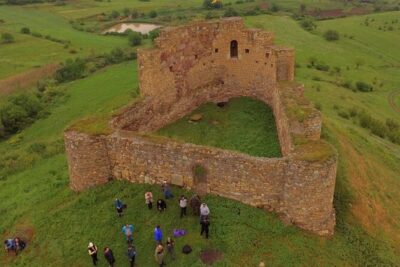 ★ 5.0Saghmosavank , Alphabet monument, Amberd fortressFrom $1039 reviews
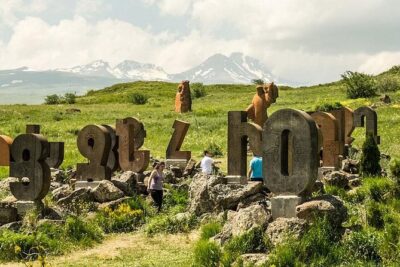 ★ 5.0Amberd (Saghmosavank,Armenian alphbet monument)From $895 reviews
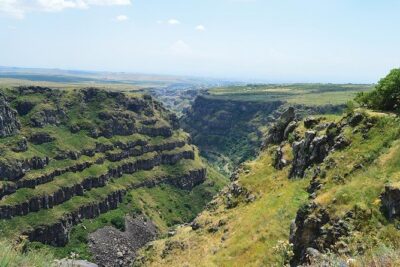 ★ 4.0Mount Aragats, Amberd Fortress, Saghmosavank Monastery, Alphabet – private tourFrom $773 reviews
 ★ 5.0Mount Aragats,Amberd Fortress,Alphabet Monument, SaghmosavankFrom $1103 reviews
Browse the lists this tour appears in