
REVIEW · ARMENIA
Paint Your Own Traditional Doll
Paint a tiny Armenian story in Gyumri.
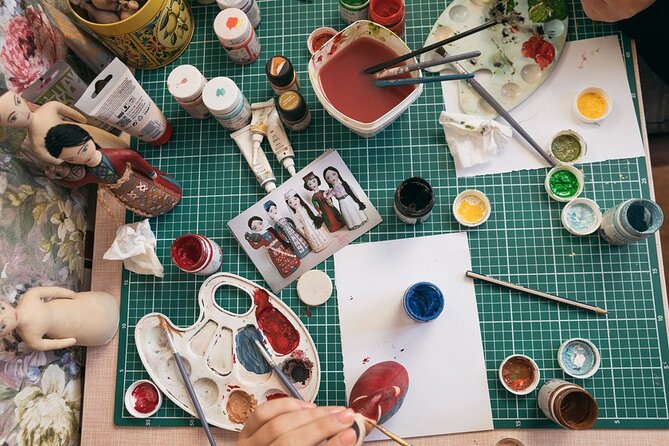
In this 2-hour class at Naro Dolls, you pick your doll’s traditional costume (taraz) from a big regional collection, then paint it using Armenian miniature-style techniques with step-by-step guidance. It’s a hands-on souvenir that feels personal, not factory-made.
I also love that the maker, Narine (a professional doll maker), guides you in a calm, practical way, so you know what to do at each step, from choosing colors to finishing details. One consideration: it’s fully active, so if you’d rather watch than create, you may find the pace a little hands-on.
In This Review
- Key things to know before you start
- Where you start in Gyumri: Naro Dolls and the taraz selection
- From blank plush to your design plan: sketching and color choices
- Miniature painting techniques with Narine: what the session feels like
- Accessories while it dries: the details that make it feel alive
- Price and time: why $26 for 2 hours can be worth it
- Who this is best for (and who should pass)
- Practical tips to get the best result
- Should you book Paint Your Own Traditional Doll in Gyumri?
- FAQ
- Where does the class meet in Gyumri?
- How long does the Paint Your Own Traditional Doll experience last?
- What is the price per person?
- Is the tour offered in English?
- Do I get a mobile ticket?
- Is this activity private?
- Can most travelers take part?
Key things to know before you start
- Choose from different Armenian regions’ taraz costumes for your doll’s outfit
- Sketch the design directly on a blank plush doll before painting
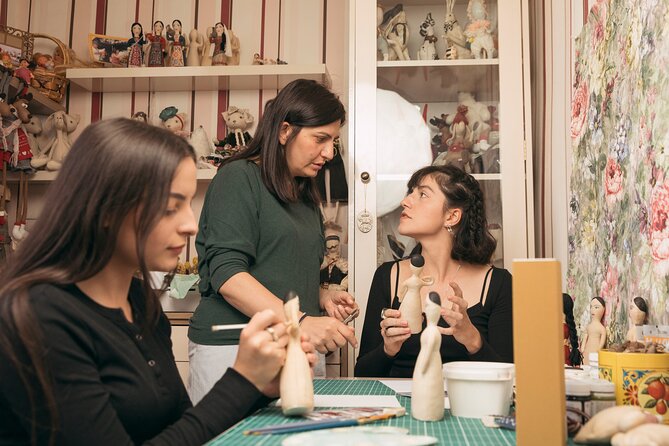
- Work with Narine, a patient professional doll maker using step-by-step instruction
- Paint with traditional miniature techniques, focused on fine detail
- Make custom accessories while your doll dries, like belts, hats, jewelry, and tools
- Enjoy coffee, tea, snacks, and light music in the workshop setting
Where you start in Gyumri: Naro Dolls and the taraz selection
This activity starts at Naro Dolls, located on Gortsaranayin Lane, 44a, Gyumri 3101, Armenia. It runs and ends back at the same place, which keeps logistics simple. You’ll want to plan to arrive a little early so you can settle in and start choosing your costume without rushing.
The first real moment is the taraz decision. You get to browse a large collection of traditional costumes from different regions of Armenia and pick the one that speaks to you. That matters more than it sounds, because taraz is not just a look, it’s a whole visual language: patterns, color choices, and ornament styles are how traditional dress communicates region and identity.
If you like authenticity, this is one of the smartest parts of the experience. You’re not handed a generic template. You’re choosing from actual costume references that the maker uses in her work, and then you build your doll around that selection.
Practical note: the class is offered in English, so you can ask questions while you work, not just read instructions on a wall.
From blank plush to your design plan: sketching and color choices
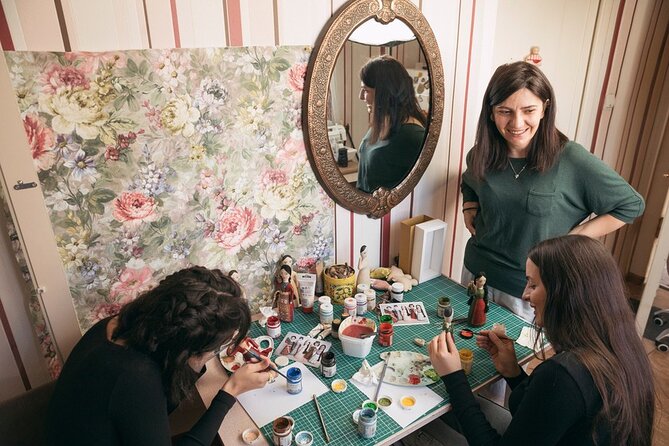
Once you’ve selected the taraz costume, the process shifts from browsing to planning. You’ll sketch the design directly onto a blank plush doll. You also choose the colors you’ll use for your decoration.
This is where the class becomes more than crafts and more like guided design. The sketch step helps you get out of the trap of painting randomly and hoping it turns out okay. You’re building a clear map first, then painting inside that plan.
If you’re worried about artistic ability, don’t. The workshop structure is designed for real-life humans. You’re choosing a costume, translating it to a small format, then using guided techniques to bring it to life. You’re not trying to invent every detail from scratch.
What I like for your decision-making: you can follow traditional ornaments and colors, or you can create something brand new. That means you can respect the source look while still making it yours.
Weighing it up? Here is what else runs out of Yerevan on a free day.
Miniature painting techniques with Narine: what the session feels like
The fun part starts when you begin painting. You’ll follow ancient Armenian miniature painting techniques, and Narine guides you through the process. Expect careful instruction on how to paint the design step-by-step, in a calm environment.
Miniature-style work is all about control: small brushwork, intentional color layering, and staying focused on fine detail. Even if you’ve never painted anything small, the format helps you slow down and get methodical. That’s not only good for results, it makes the time feel relaxing instead of stressful.
One of the best bits, based on what you’ll experience in the room, is that the instruction is step-by-step and calm. You’re not left guessing. You’re learning while you make. And because the workshop offers light music plus coffee and tea, the vibe stays friendly rather than classroom-stiff.
Also, this is a private activity. Only your group participates, so you can work at your pace and ask questions without feeling like you’re sharing a bench with strangers.
Accessories while it dries: the details that make it feel alive
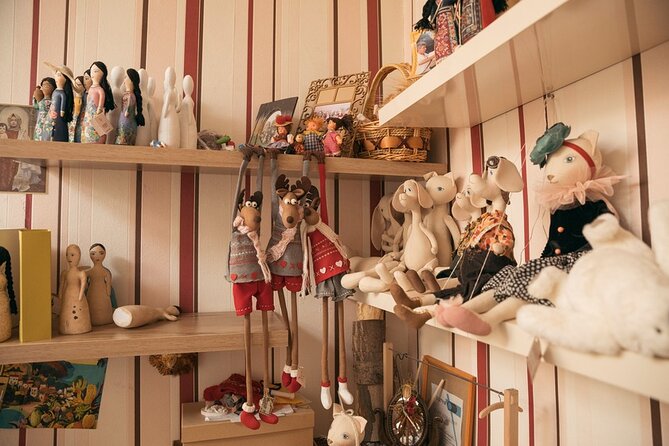
While your doll dries, you and Narine will create custom accessories. This is one of the most rewarding sections, because the doll stops being a costume and becomes a character.
You might make accessories such as:
- belts
- hats
- jewelry
- tools
and more, depending on what your design needs.
For me, this is where the value really clicks. A painted doll is nice, but accessories give you extra layers of personalization and storytelling. It also lets you bring the taraz styling into a complete look. If you chose a costume with strong ornament details, the accessories help match that energy.
It’s also a smart design strategy for timing. Your main painting phase finishes, your doll has time to dry, and you stay busy making the finishing elements. You’re not stuck waiting around, and you’re not rushed into trying to do everything at once.
Price and time: why $26 for 2 hours can be worth it
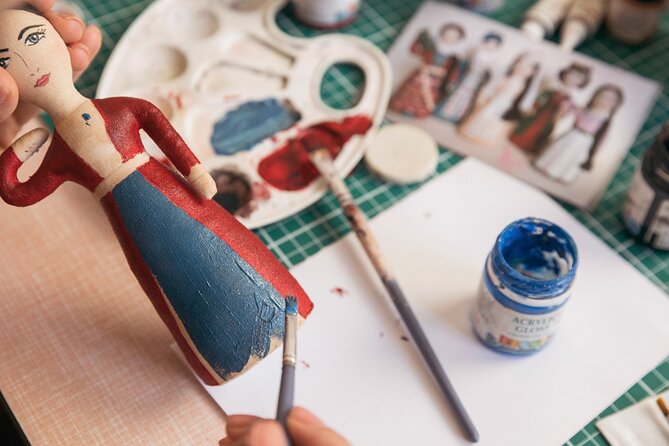
The price is $26.00 per person for about 2 hours (approx.). On paper, that sounds like a small art workshop, which it is. But the value is in what you leave with: a custom traditional doll you hand-painted, plus custom accessories made during the session.
Compared to many souvenirs, this is active and personal. You choose the costume, sketch your design, and paint it yourself with professional guidance. That means you’re buying the experience and the result together, and the result is something you can’t easily replicate later.
Two more practical value points:
- The class is private, so your group gets the attention of the maker.
- It’s offered in English, so you spend time creating instead of translating instructions on the fly.
If your trip style is fast sightseeing every hour, this might feel slower than you expect. But if you like craft, local texture, and taking home something meaningful, this is a very solid use of time in Gyumri.
Who this is best for (and who should pass)
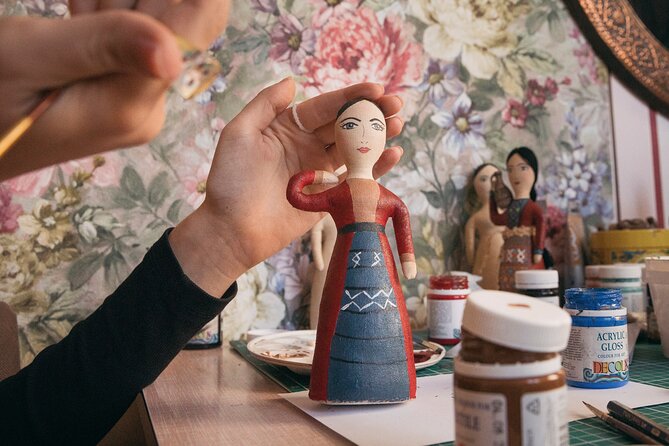
This works well for most travelers, including people without art experience. The structure gives you a clear sequence: choose taraz, sketch the design, paint with guidance, then make accessories.
You’ll especially enjoy it if:
- you want a hands-on Armenia souvenir
- you’re interested in traditional Armenian dress and how it appears in regional costumes
- you like calm, small-group activities
- you want a guided craft session in English
You might want to skip it if:
- you only want quick photo stops and no hands-on work
- you’re traveling with someone who gets stressed by focus-heavy tasks
One more gentle reality check: your final doll is small. That’s part of the charm, but if you want a huge showpiece, this is not that type of craft. It’s a collectible-style keepsake made with care and detail.
Practical tips to get the best result
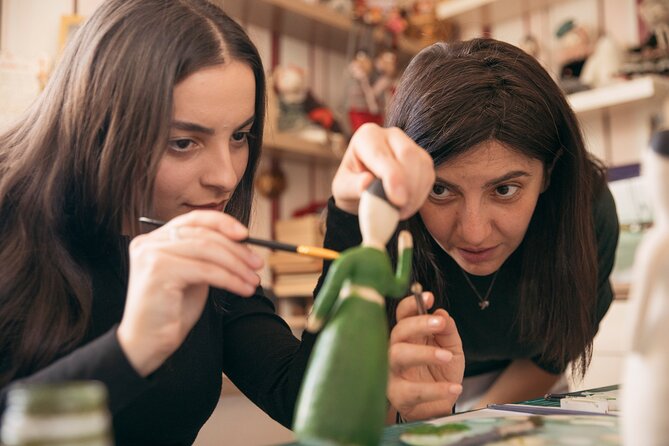
These are simple, but they help. Since you’ll be sketching and painting, wear something comfortable and easy to move in. Also, show up ready to make choices, especially for the taraz costume and color palette. Early decisions matter, because they guide the whole design.
A smart mindset is to choose a costume that already feels visually clear to you. If it’s the most interesting one in the collection but you can’t picture how you’d simplify it onto a plush doll, pick a design that has strong repeating motifs you can recognize even at a small size.
And don’t overthink perfection. The guided miniature-style approach is designed to help you succeed, and the accessories add plenty of finishing character even if your painting isn’t a museum-piece. The goal is a doll that feels like your Armenian choice.
Should you book Paint Your Own Traditional Doll in Gyumri?
I’d book it if you want an experience that’s genuinely personal without needing advanced skills. The combination of a taraz costume selection, hands-on miniature-style painting, and accessory-making means you leave with something you made, not something you just bought.
Skip it if you’re only chasing big landmarks or if you hate crafts where you’re the one holding the tools. In that case, you may prefer a different kind of Gyumri activity.
If you’re deciding between this and another cultural activity, think about what you want to carry home. A painted doll with accessories made during the class is one of the most memorable keepsakes you can bring back, especially from a city like Gyumri, where cultural crafts are part of everyday identity.
FAQ
Where does the class meet in Gyumri?
The activity starts at Naro Dolls, Gortsaranayin Lane, 44a, Gyumri 3101, Armenia. It ends back at the meeting point.
How long does the Paint Your Own Traditional Doll experience last?
It runs for about 2 hours (approx.).
What is the price per person?
The price is $26.00 per person.
Is the tour offered in English?
Yes, it is offered in English.
Do I get a mobile ticket?
Yes, it includes a mobile ticket.
Is this activity private?
Yes. It’s a private activity, so only your group participates.
Can most travelers take part?
Yes, most travelers can participate.
Everything Else We Have Written Up in Armenia
- Museum of Illusions Tour
★ 5.0 · 84 reviews
Just Reviewed: More From Around Armenia
- Paint Your Own Traditional Doll★ 5.0 · 4 reviews